Civilian sector
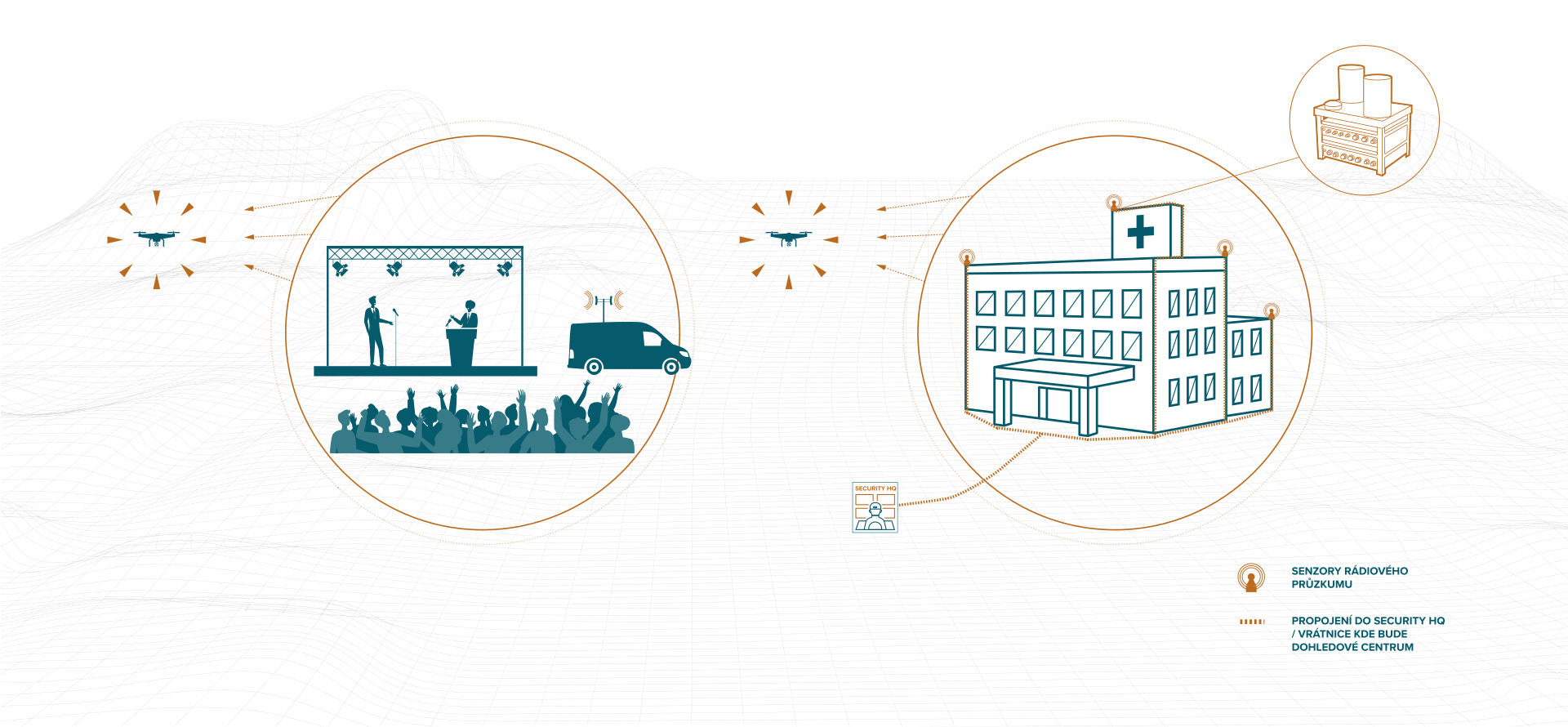
Our solution offers the sensor network for frequency spectrum monitoring set up, focusing primarily on the unmanned systems activity.
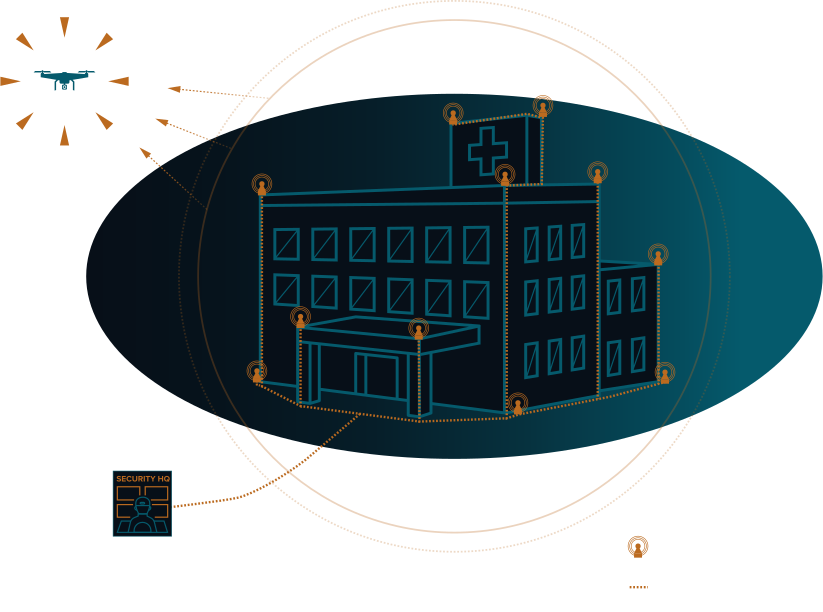
The sensor system can also be used to monitor the electromagnetic spectrum in buildings or sensitive areas, in order to protect against unauthorized use of radio communication devices.
Within the civilian sector, this system only purpose is to detect, identify and eventually locate an unauthorized device. Further action against these devices must be carried out in accordance with the applicable legal order at a current location
System purpose
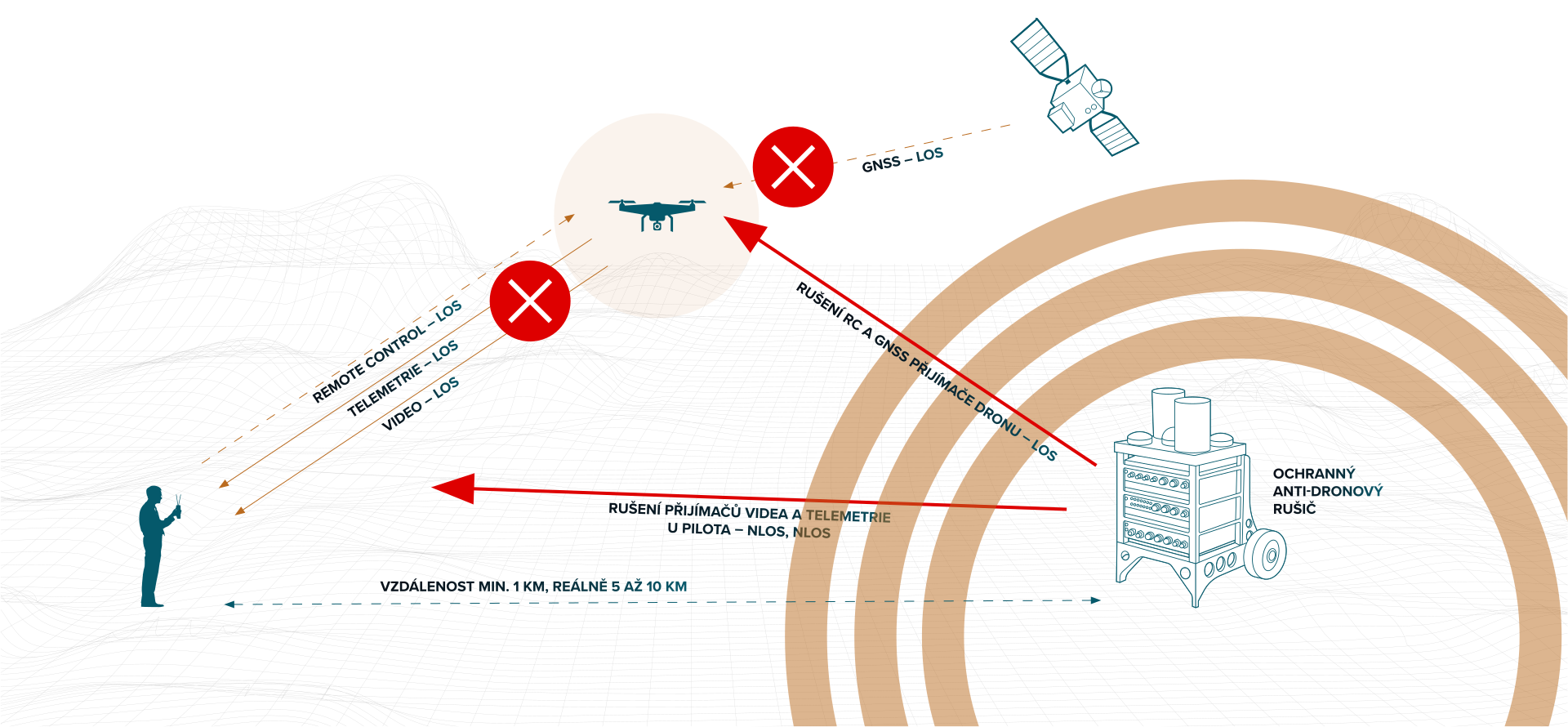
Protection of facilities and areas (detection and jamming) of civilian and critical infrastructure against unauthorized drone intrusions
SYSTEM PURPOSE – DRONE DETECTION AND NEUTRALIZATION USING AD JAMMER
The primary task of the system is to detect radio transmissions from drones, process identified incidents/threats in the form of alerts, and transmit these incidents/threats as notifications/reports to authorized surrounding applications and higher-level systems
SYSTEM DEPLOYMENT APPROACH
A comprehensive security strategy of a critical infrastructure (CI) entity is a necessary prerequisite for investing in counter-drone protection and for effective cooperation with security and armed forces
The implementation process of a comprehensive CI protection strategy includes the following phases:
- Strategic setup and governance (establish a framework, define responsibilities, risk management and compliance)
- Architecture, classification and segmentation (introduce a unified security architecture framework and asset classification)
- Technical and organizational measures (deploy measures in the areas of cyber, physical and data security)
- Security integration and operational management (interconnect security layers and ensure continuous monitoring and response)
- Human factor, training, and security culture (strengthen organizational resilience through education and awareness)
- Control, measurement and improvement (ensure sustainability and measurable development of security maturity)

LEVELS OF SYSTEM DEPLOYMENT
- DRONE ID – radio-based detection and identification of registered drones, including reading additional parameters
(operator registration number, drone serial number, position / altitude / heading / speed, pilot location / take-off point, etc.) - SYMON – radio-based detection of registered and unregistered drones (radio spectrum scanning in the 25–6000 MHz range)
- Multi-sensor detection, identification and localization
- Radio detection including direction finding
- Active radar
- Electro-optical system
- Protective jamming – drone neutralization
- JISR Institute connector
System deployment variants
The system can be deployed in mobile or stationary configurations, either as a standalone solution or as a network of interconnected sensing nodes